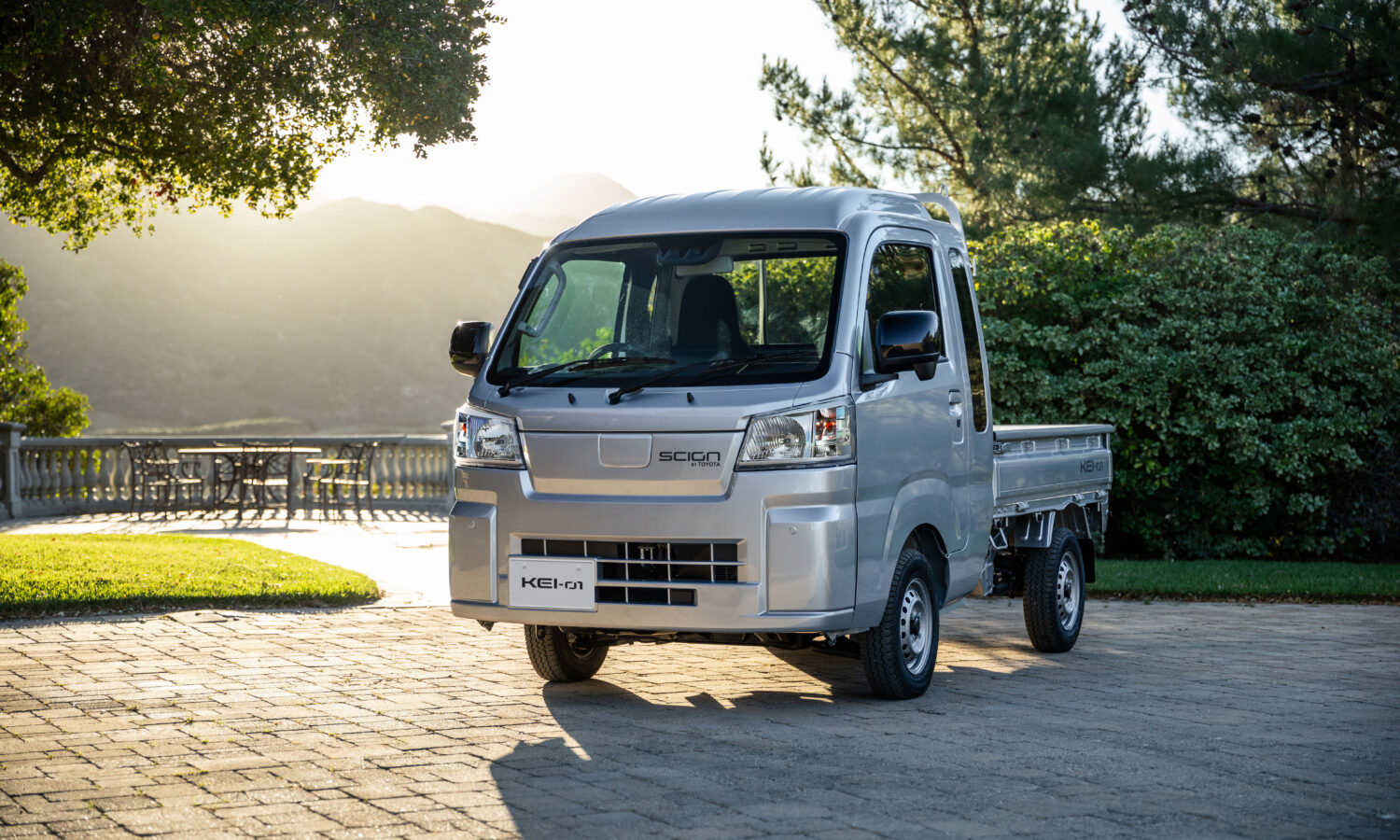
"Kei" (pronounced "kay") is short for kei-jidōsha — Japan's category of ultra-compact "light vehicles." Kei trucks are the pickup version: tiny, efficient, endlessly practical little workhorses that have earned a devoted following in Japan and, increasingly, around the world.
The Basics
Japan's kei class caps engine size at 660cc and limits overall dimensions, which keeps these vehicles small, light, and cheap to run. In exchange, owners get lower taxes, lower insurance, and easier parking. The trucks pack a surprising amount of utility into a footprint barely bigger than a golf cart.
- Engine: 660cc, typically three cylinders
- Size: very short and narrow — ideal for tight spaces
- Layout: cab-forward or conventional, with a flat, low cargo bed
- Drivetrain: often available with 4WD for farm and off-road use
- Reputation: decades of proven practicality, durability, and efficiency
Why People Love Them
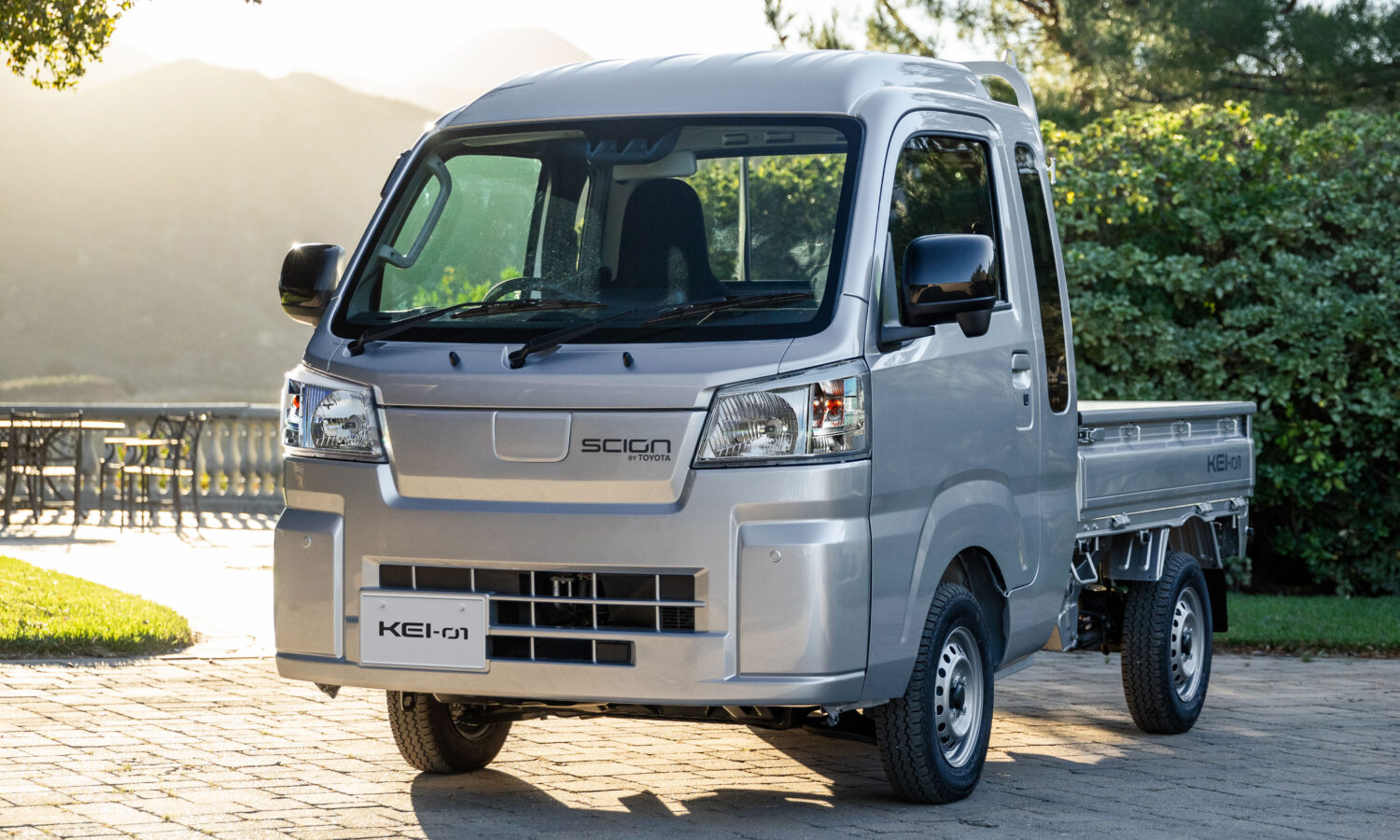
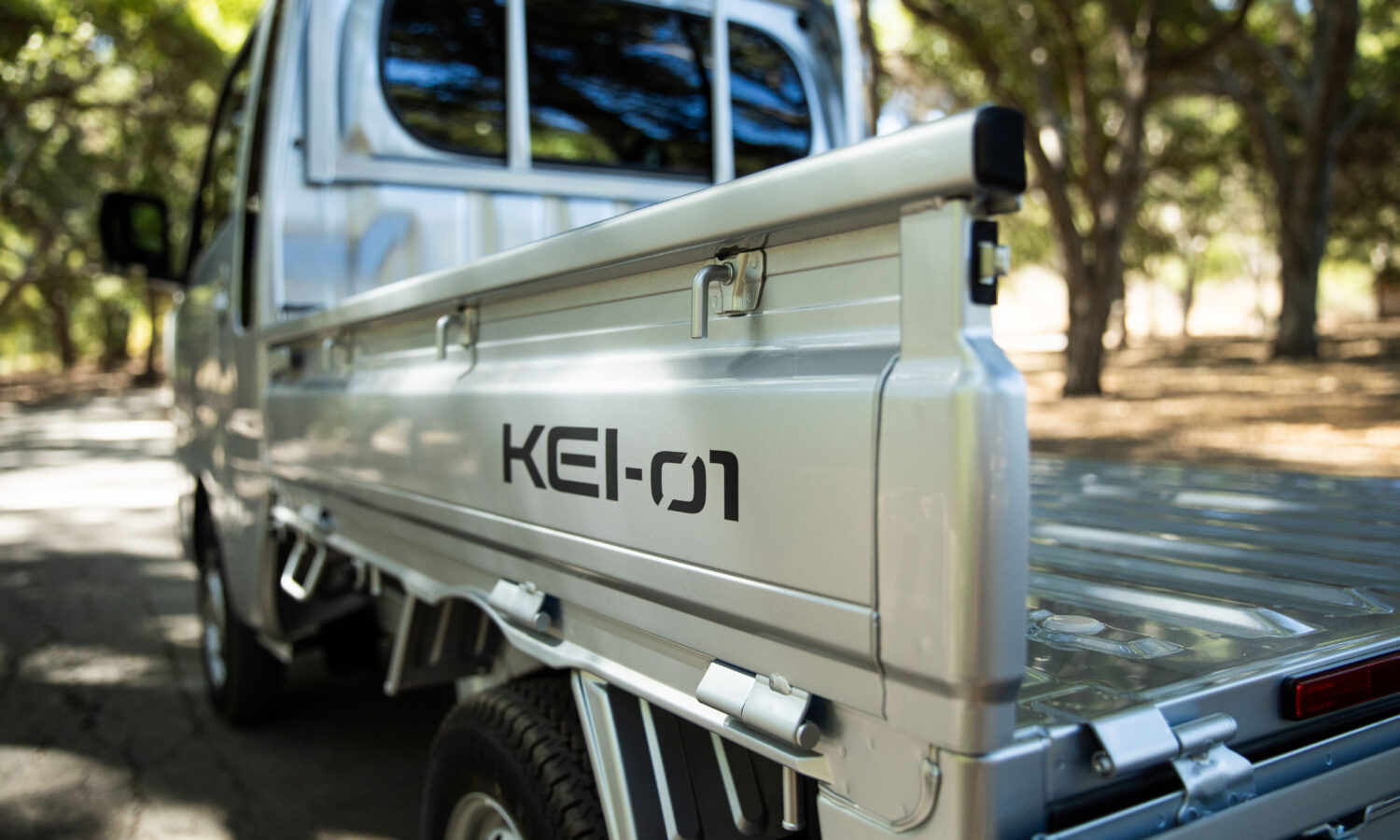
For decades, kei trucks have earned a strong reputation in Japan and other Asian markets for sheer practicality. They thrive where full-size pickups are overkill: narrow farm rows, tight city streets, campus maintenance, landscaping, and light delivery. They sip fuel, fit anywhere, and still haul a genuinely useful load. In recent years, imported used kei trucks have developed a cult following among U.S. farmers, hunters, and enthusiasts.
How the Scion KEI-01 Fits In
The Scion KEI-01 brings that proven kei-truck formula to American customers in a way only Toyota can deliver — a 660cc three-cylinder engine, CVT, and selectable 4WD, built to meet U.S. Low-Speed Vehicle (LSV) safety requirements with a 25 mph top speed. It challenges the traditional pickup blueprint, giving buyers a right-sized, affordable, highly maneuverable alternative.
Unlike grey-market imported kei trucks — which face registration hurdles in many states — the KEI-01 is a new vehicle built in Indiana and designed for U.S. compliance, which could make it one of the easiest ways yet to get into the kei-truck lifestyle legally.
Meet the KEI-01
See full specs, dimensions, payload, and release timing. Explore the KEI-01 →